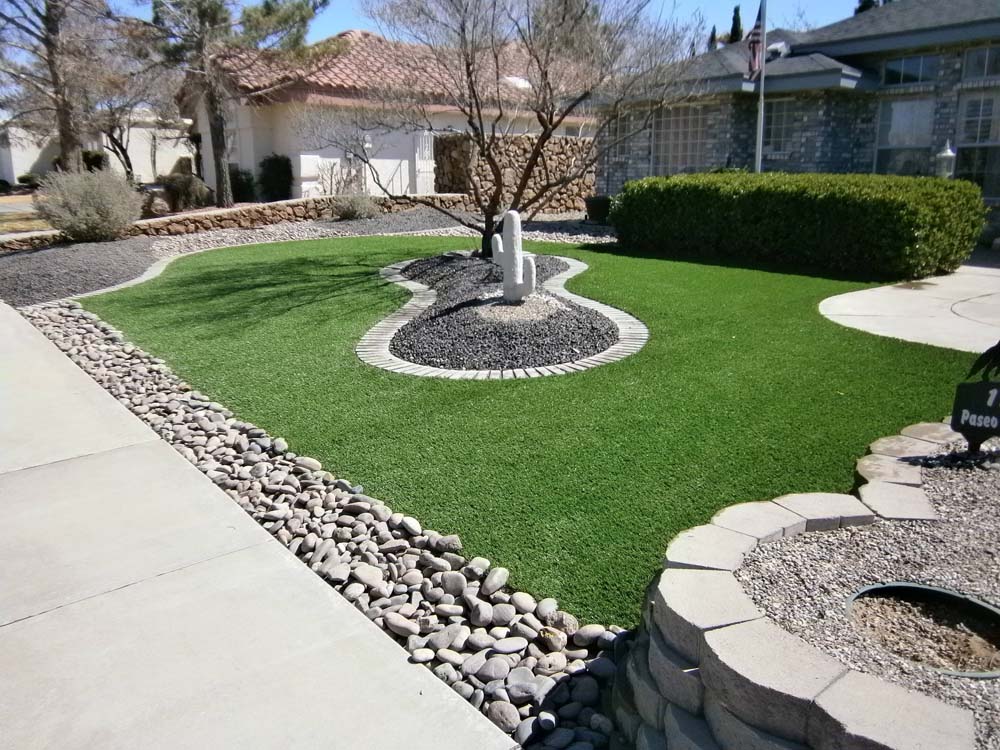
Artificial turf is low-maintenance, but it is not no-maintenance. Regular brushing, rinsing, debris removal, stain treatment, and occasional deep cleaning help your lawn look better, drain properly, and last longer.
A simple maintenance routine protects the turf fibers, keeps infill evenly distributed, reduces odor, and prevents common problems like matting, weeds around the edges, and buildup from leaves or pet waste.
If you are planning a new lawn or replacing an older surface, start with quality artificial grass and the right accessories for installation and upkeep. Good turf plus consistent care is what keeps the surface performing well over time.
Does Artificial Turf Need Maintenance?
Yes. Artificial turf needs maintenance, but far less than natural grass. You do not need to mow, fertilize, reseed, or water it daily. Instead, the main tasks are keeping it clean, brushing the fibers, rinsing dust or pet areas, and checking for drainage or infill issues.
Routine care helps with:
- Keeping grass blades upright
- Preventing matted high-traffic areas
- Removing dirt, leaves, and pollen
- Reducing pet urine odor
- Maintaining drainage
- Extending turf lifespan
- Keeping the surface comfortable for kids and pets
Basic Artificial Turf Maintenance Schedule
The right maintenance schedule depends on use, weather, pets, and foot traffic. A backyard used by one family may need less care than a dog run, play area, or commercial space.
Weekly Maintenance
- Remove leaves, twigs, and debris
- Rinse dusty or high-use areas
- Pick up solid pet waste right away
- Rinse pet urine spots if dogs use the turf
- Check for spills or stains
Monthly Maintenance
- Brush the turf fibers against the grain
- Check high-traffic areas for matting
- Inspect edges and seams
- Look for weeds around the perimeter
- Check infill levels where applicable
Seasonal Maintenance
- Deep clean after heavy pollen, leaves, or summer heat
- Refresh infill if it has shifted
- Check drainage after storms
- Clean pet areas more thoroughly
- Inspect for moss, algae, or compacted areas
Essential Artificial Turf Maintenance Equipment
You do not need a large tool collection to maintain artificial turf. A few basic tools can handle most routine care.
Stiff-Bristled Broom or Turf Brush
A stiff-bristled broom helps lift flattened fibers and keep the grass looking full. Use synthetic bristles, not metal bristles. Brush against the grain of the turf for the best lift.
Garden Hose With Spray Nozzle
A hose is useful for rinsing dust, pollen, spills, and pet urine. For most homes, a medium spray is enough. You do not need heavy pressure for routine cleaning.
Plastic Rake or Leaf Blower
A plastic rake or leaf blower helps remove leaves and twigs. Avoid metal rakes because they can damage the turf fibers.
Turf Deodorizer or Enzyme Cleaner
For pet areas, a turf-safe enzyme cleaner can help break down urine odor. This is especially useful in warm weather or small dog potty areas.
Power Brush for Larger Lawns
For larger lawns or high-traffic areas, a power brush can lift matted fibers and redistribute infill more effectively than a manual broom.
If you need setup or upkeep supplies, browse PetGrows’ Grass Accessories collection.
How to Brush Artificial Turf
Brushing is one of the most important maintenance tasks. Foot traffic, furniture, pets, and weather can flatten the grass blades over time.
To brush artificial turf:
- Remove loose debris first.
- Use a stiff-bristled broom or turf brush.
- Brush against the natural grain of the grass.
- Focus on high-traffic areas.
- Brush from more than one direction if the turf is heavily matted.
Regular brushing helps the turf look more natural and keeps infill from settling unevenly.
How to Remove Leaves, Dust, and Debris
Leaves and organic debris should not sit on turf for long periods. If they break down, they can create a layer of organic matter that encourages weeds, moss, or odor.
Use a plastic rake, broom, or leaf blower to clear the surface. After removing larger debris, rinse the turf with water if it looks dusty or dull.
In fall or windy seasons, debris removal may need to happen more often.
How to Rinse and Wash Artificial Turf
Rinsing artificial turf removes dust, pollen, small particles, and pet residue. It also helps keep the surface fresh between deeper cleanings.
For general rinsing:
- Spray the turf with clean water.
- Focus on dusty, high-use, or pet areas.
- Let water drain through the turf backing.
- Brush the fibers after drying if needed.
If the turf has odor or visible residue, use mild soap, vinegar solution, or a turf-safe cleaner, then rinse thoroughly.
How to Clean Spills and Stains
Most spills are easy to clean when handled quickly. The longer a spill sits, the more likely it is to leave residue.
Food and Drink Spills
Blot the spill with a towel, rinse with water, then use mild soap if needed. Rinse again so no soap remains.
Sticky Substances
For gum or sticky residue, harden it with ice first, then gently lift it with a plastic scraper. Avoid sharp tools.
Pet Waste
Pick up solid waste right away. Rinse the area with water and use an enzyme cleaner if odor remains.
Pet-Friendly Turf Maintenance
Artificial turf is popular for dog areas because it does not turn muddy or develop bare patches like natural grass. However, pet turf needs a consistent cleaning routine.
For dogs:
- Pick up solid waste daily
- Rinse urine areas often
- Use pet-safe enzyme cleaner for odor
- Brush the turf to prevent matting
- Check drainage if smells linger
- Refresh infill if needed
If urine odor keeps returning, the issue may be drainage or infill, not just the surface. PetGrows’ guide on pet turf and its benefits explains why pet turf systems need fast drainage and easy cleaning.
How to Prevent Weeds, Moss, and Algae
Weeds usually do not grow through the turf backing, but seeds can land in infill or around the edges. Moss and algae can also appear in shaded or damp areas.
To reduce weeds and growth:
- Remove organic debris regularly
- Pull small weeds by hand
- Keep edges clean
- Maintain drainage
- Use a turf-safe weed treatment if needed
- Brush shaded or damp areas more often
If moss or algae appear, clean the area with a turf-safe solution and rinse thoroughly.
How Infill Affects Turf Maintenance
Infill helps support the turf blades, adds weight, improves feel, and can help with drainage or odor depending on the material. Over time, infill can shift in high-traffic areas or become compacted.
Check infill by parting the grass blades and looking at the base. If the backing is exposed or the turf feels flat, it may need more infill.
For pet areas, choose infill carefully. Some infills are designed to help with odor control and cooling, while others may not be ideal for dogs.
Artificial Turf Maintenance in Hot Weather
Artificial turf can get warm in direct sunlight. During hot weather, rinse the surface before pets or children use it, add shade where possible, and avoid placing hot grills, fire pits, or reflective objects directly on or near the turf.
For more heat guidance, see PetGrows’ article on how temperature affects artificial grass.
Can You Pressure Wash Artificial Turf?
You can pressure wash artificial turf with caution, but it is not always necessary. Too much pressure can disturb infill, damage seams, or affect the turf backing.
If you use a pressure washer:
- Use a wide spray pattern
- Keep the nozzle at a safe distance
- Use low pressure
- Do not spray directly into seams
- Brush the turf after it dries
For regular home cleaning, a garden hose is usually enough.
Common Maintenance Mistakes to Avoid
- Using metal rakes or wire brushes
- Letting leaves decompose on the turf
- Ignoring pet urine odor
- Using ammonia-based cleaners on dog areas
- Placing heavy furniture in the same spot for too long
- Blocking drainage with debris or compacted infill
- Using harsh chemicals without checking turf safety
- Skipping brushing in high-traffic areas
When to Consider Professional Turf Maintenance
Most homeowners can handle routine artificial turf maintenance themselves. However, professional cleaning may be helpful if the turf has heavy odor, compacted infill, matted areas, drainage problems, lifting seams, or years of built-up debris.
A professional service can deep clean, groom, deodorize, and inspect the turf system for issues that may be harder to spot from the surface.
Final Thoughts
Artificial turf maintenance is simple when you stay consistent. Brush the fibers, remove debris, rinse regularly, treat spills quickly, and pay extra attention to pet areas.
With the right routine, your turf can stay green, clean, and comfortable for years. Whether you are maintaining a backyard, patio, balcony, dog run, or play area, regular care helps protect your investment and keeps the space ready for everyday use.
Share:
What Happens to Artificial Grass When It Rains? Drainage, Safety & Care Tips
Achieving a Seamless Look: How to Hide Artificial Grass Seams Effectively