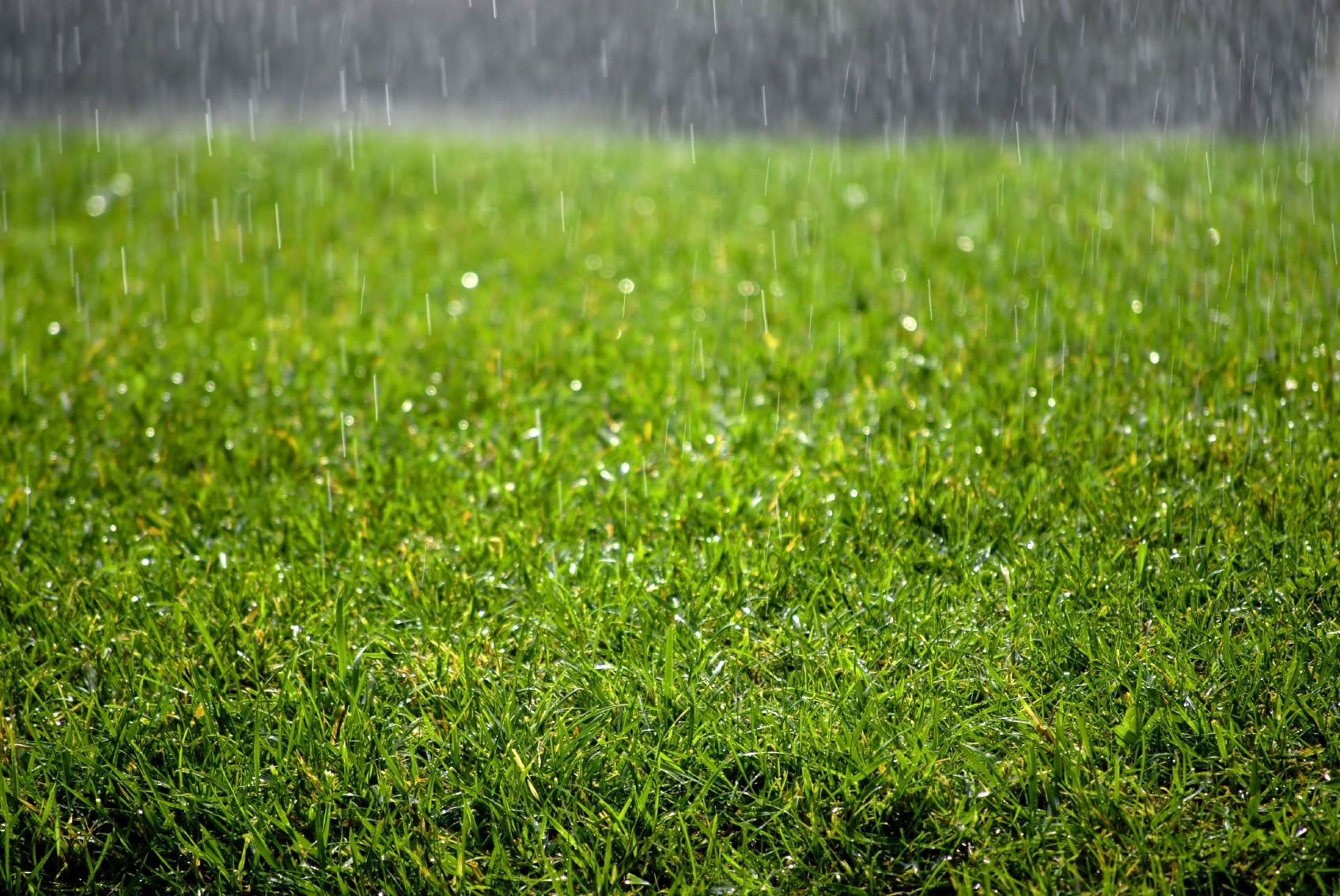
Artificial grass is designed to handle rain. When it is installed correctly, rainwater passes through the turf backing and into the drainage base below instead of turning the lawn into mud. That is one of the main reasons homeowners choose synthetic turf for yards, patios, balconies, pet areas, and high-use spaces.
Rain does not usually damage quality artificial grass. In many cases, it helps rinse away dust, pollen, and light debris. The most important factors are drainage, installation, surface slope, and regular maintenance.
If you are planning a new lawn or replacing a muddy yard, choose artificial grass that fits your space and make sure the base is built to move water away properly.
Does Rain Damage Artificial Grass?
Rain usually does not damage artificial grass. Modern turf is made to withstand outdoor weather, including rain, sunlight, wind, humidity, and seasonal changes.
Unlike natural grass, artificial turf does not become waterlogged in the same way. It does not turn into mud, develop bare patches from foot traffic after rain, or need time to regrow after a storm.
However, rain can reveal installation problems. If water pools on the turf, drains slowly, or creates odor in pet areas, the issue is usually the base, drainage, slope, or infill, not rain itself.
How Artificial Grass Drainage Works
Artificial grass has small drainage holes in the backing. These holes allow water to pass through the turf and into the base layer below.
A proper drainage system usually includes:
- Artificial turf with drainage holes
- A compacted base layer
- Crushed rock, decomposed granite, or another draining material
- Proper slope away from structures
- Drainage mats, French drains, or perforated pipes if needed
When these layers work together, rainwater moves through the system instead of sitting on the surface.
For installation details, read PetGrows’ guide on what to put under artificial grass for drainage.
Will Artificial Grass Get Muddy When It Rains?
Artificial grass does not create mud because it does not grow in soil like natural grass. When installed over a proper base, the turf surface stays cleaner after rain than a natural lawn.
This is especially helpful for:
- Dog owners tired of muddy paws
- Small yards with poor natural drainage
- Balconies and patios
- Side yards that stay damp
- Play areas used after rain
- Poolside or outdoor lounge spaces
For pet owners, less mud means fewer dirty paw prints and less cleanup inside the home.
Can Artificial Grass Flood?
Artificial grass can experience standing water if the area below it does not drain properly. The turf itself may be permeable, but water still needs somewhere to go.
Common causes of drainage problems include:
- Poorly compacted base
- Flat areas with no slope
- Low spots under the turf
- Blocked drainage holes
- Debris or compacted infill
- Hard surfaces underneath with no drainage path
- Heavy rain exceeding the area’s drainage capacity
If water sits on the turf after every storm, check the base and drainage system.
Is Artificial Grass Slippery When Wet?
Any outdoor surface can feel more slippery when wet, but quality artificial grass usually provides better traction than muddy natural grass or slick hard surfaces. Turf with textured blades, proper drainage, and clean fibers is less likely to feel unstable.
Artificial grass may feel slippery if water pools on the surface, debris builds up, the turf fibers are flattened, or the area is installed on a steep slope.
For more on wet-surface safety, see PetGrows’ article on whether artificial turf is slippery when wet.
What Happens to Dog Turf When It Rains?
Rain can be helpful for dog turf because it rinses dust, pollen, and some surface residue. However, rain alone is not a complete cleaning routine for pet areas.
If dogs use the turf for potty breaks, urine and waste still need regular cleaning. Rain may dilute some urine, but it may not fully remove odor-causing buildup from infill or the base.
For dog areas after rain:
- Pick up solid waste promptly
- Rinse high-use potty spots as needed
- Use pet-safe enzyme cleaner if odor remains
- Check that water drains fully
- Brush the turf if fibers flatten
PetGrows’ guide on pet turf and its benefits explains why drainage and easy cleanup matter for dog-use areas.
Does Rain Clean Artificial Grass?
Rain can help rinse light dust, pollen, and loose debris from artificial grass. This can reduce how often you need to hose down the turf manually.
Still, rain does not replace normal maintenance. Leaves, pet waste, food spills, sticky stains, and odor buildup need direct cleaning. If organic debris stays on the turf after rain, it can break down and cause odor or moss in shaded areas.
Artificial Grass in Heavy Rain
During heavy rain, the drainage system does most of the work. If the turf and base are installed correctly, water should pass through and move away from the area.
After heavy rain, check for:
- Standing water
- Low spots
- Shifted infill
- Debris buildup
- Loose edges or seams
- Odor in pet areas
A quick inspection after storms helps you catch small problems before they become bigger maintenance issues.
Artificial Grass in Snow, Frost, and Cold Weather
Artificial grass can usually handle cold weather, frost, and light snow. The main rule is to avoid damaging the fibers or backing when removing snow or ice.
For winter care:
- Let snow melt naturally when possible
- Use a plastic shovel if you need to clear a path
- Avoid metal shovels that can tear turf
- Avoid harsh salts that may affect drainage or backing
- Brush fibers after the surface dries if they flatten
Rain, snow, and frost should not be major issues when the turf is installed and maintained properly.
Rainy-Day Maintenance Tips
To keep artificial grass performing well during rainy seasons:
- Remove leaves and debris before storms when possible
- Check drainage after heavy rain
- Brush flattened turf once it dries
- Rinse pet areas even if it rains
- Keep edges clear so water can escape
- Use the right infill for the space
- Fix low spots that repeatedly collect water
If you need installation or care supplies, browse PetGrows’ Grass Accessories collection.
When to Fix Artificial Grass Drainage
If your turf has puddles, odor, soggy spots, or water that stays long after rain stops, the drainage system may need attention.
Common fixes include:
- Clearing blocked drainage holes
- Removing compacted debris
- Refreshing infill
- Adding drainage mats
- Correcting low spots
- Improving slope
- Rebuilding part of the base layer
It is better to fix drainage early because standing water can affect comfort, odor, and long-term turf performance.
Final Thoughts
Rain is not a problem for artificial grass when the turf is installed with good drainage. In many cases, rain helps rinse the surface and keeps the lawn looking fresh.
The real key is the system underneath: drainage holes, base material, slope, infill, and regular care. When those pieces are right, artificial grass can stay clean, usable, and attractive after rain without the mud and mess of natural grass.
Share:
The Ultimate PetGrow Guide: How to Keep Weeds Out of Your Artificial Grass
Artificial Turf Maintenance Guide: Cleaning, Care & Equipment Tips