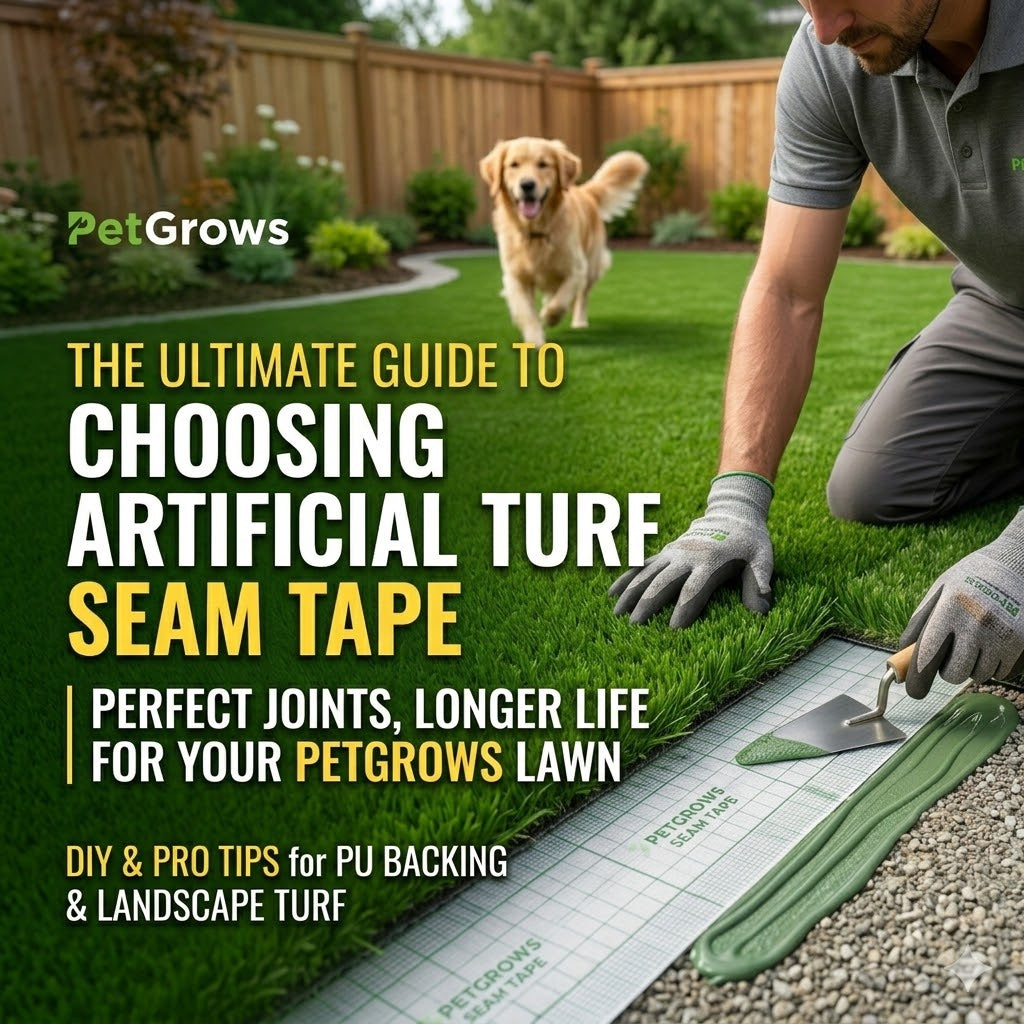
Artificial grass is now common on sports fields, playgrounds, and home backyards. It looks clean, needs little care, and stays green all year. But one part of artificial turf often gets ignored. The seams. Seams are the lines where two pieces of turf meet. If seams fail, the whole surface becomes unsafe. That is why choosing the best artificial turf seam tape is so important.
In this guide, I will help you understand what seam tape does, the types available, and which tape works best for your project. Whether you are building a sports field, a playground, or a backyard lawn, this article will help you pick the right option.
What Is Artificial Turf Seam Tape and Why Seams Matter
When you install artificial grass, you usually lay down several rolls of turf. You place them side by side. The edges meet and form seams. These seams must stay flat and strong. If not, gaps form. Edges lift. People trip. Water seeps in. And the turf wears out fast.
Artificial turf seam tape sits under the seam. The tape holds the two turf edges together with the help of adhesive. Think of it as a bridge that bonds the turf rolls into one solid surface. Good seam tape spreads weight across the seam so it does not split.
Weak seams can cause:
-
Tripping hazards
-
Visible lines on the turf
-
Peeling edges
-
Early turf failure
Strong seams keep the turf safe, smooth, and long-lasting. So the seam tape you choose makes a big difference.

How Artificial Turf Seam Tape Works in a Turf System
Let’s look at how a full turf system works. Below the turf, you usually have a compacted base. Sometimes there is a shock pad for extra safety. Then comes the turf itself. At the point where two turf panels meet, you place a strip of seam tape.
If you use non-adhesive tape, you spread glue on the tape and press the turf edges into the glue. If you use self-adhesive tape, you peel the liner and stick the turf directly to the tape. Once it cures, the seam becomes almost as strong as the turf backing.
The tape’s job is simple. Hold the seam in place. Spread the stress of foot traffic. Keep the turf from pulling apart. But different projects need different levels of strength, so choosing the right tape matters.
Types of Artificial Turf Seam Tape: Non-Adhesive, Self-Adhesive, and Specialty
You will find three main types of artificial turf seam tape. They each work for different needs.
1. Non-Adhesive Seam Tape
This is the type that professionals use most often. It is a strong fabric or nonwoven material with a film backing. It does not come with glue. You must spread turf adhesive on it.
Pros:
-
Very strong
-
Best for sports and heavy traffic
-
Works with powerful turf glues
-
Long life
Cons:
-
Takes more time
-
Needs skill and tools
This type is ideal when you want maximum strength.
2. Self-Adhesive Seam Tape
This is a peel-and-stick option. It already has adhesive on it. You pull off the liner and stick the turf down.
Pros:
-
Easy
-
Great for DIY
-
No mess
Cons:
-
Not as strong
-
Not ideal for high-impact zones
Self-adhesive tape works well for backyards, small projects, and low-traffic areas.
3. Specialty Tape Options
Some tapes are extra wide. Some use aluminum foil on the back so they stick well to concrete, rooftops, or decks. You use these when your base surface is not soil or compacted gravel.
PetGrows Professional Tip: > "For our premium collections, such as the PetGrows 1.77" or 1.5" PU Backing Artificial Grass, we highly recommend using non-adhesive seam tape with professional-grade glue. Since PU backing offers superior resistance to pet urine and extreme temperature fluctuations, this combination ensures that your seams stay as durable as the turf itself, lasting 15+ years without lifting."
How to Choose the Best Artificial Turf Seam Tape
Choosing the right artificial turf seam tape depends on the project. Think about:
-
Traffic level
-
Type of use
-
Base surface
-
Weather conditions
-
Budget
If you expect heavy use, choose non-adhesive tape with strong glue. If you want easy installation for a backyard, self-adhesive tape may be enough.
Also check product specs. Look for width (6–12 inches), water resistance, UV resistance, and tensile strength. Wider tape spreads pressure better, which means stronger seams.
| PetGrows Collection | Ideal Use Case | Recommended Seaming Solution | Why This Choice? |
| PU Backing Series (1.5" / 1.77" PU) | Heavy Pet Use / Long-term Landscape | Non-Adhesive Tape + Two-Part Adhesive | PU backing lasts 15+ years; requires a high-strength bond to withstand pet digging and heavy activity. |
| Realistic Lush Series (1.38" / 1.5" SBR) | Residential Backyards / Patios | Non-Adhesive (12" Wide) or Self-Adhesive | Heavier grass blades need wider support to prevent edge curling and ensure a seamless look. |
| Golf / Putting Green (0.47") | Golf Greens / Training Areas | Low-Profile Non-Adhesive Tape | Putting greens require a perfectly flat surface; a thin, non-adhesive tape ensures no bumps or ridges. |
| Economic / Deck Series (0.4" / 0.7") | Balconies / Temporary Rentals | Self-Adhesive Seam Tape | Quickest and easiest DIY method for low-traffic areas and small indoor/outdoor spaces. |

Sports Fields: High-Performance Needs for Artificial Turf Seam Tape
Sports fields get the most stress. Players run, cut, slide, and kick. The seams take hits every few seconds. A weak seam can cause injuries. Players expect a smooth, even surface.
Performance Needs on Sports Turf
Sports turf seams must handle:
-
Heavy foot pressure
-
Sudden impact
-
Fast changes in direction
-
Weather exposure
-
Water from irrigation or rain
Because of this, every part of the seam must be strong.
Best Tape Type for Sports Fields
Professionals almost always use:
-
12-inch non-adhesive seam tape
-
High-strength turf adhesive
The wide tape spreads stress. The separate glue forms a strong bond. This combo creates seams that stay tight for years.
Sports Field Installation Tips
Here are simple steps for better results:
-
Prepare the base so it is flat and solid.
- Align the turf grain in the same direction.
- Trim the seam edges cleanly.
- Place the tape exactly under the seam.
- Spread glue evenly.
- Press the turf into place.
- Add weight for several hours while it cures.
These steps help the seam stay invisible and strong.
Playgrounds: Safety, Shock Absorption, and Turf Seam Tape
Playgrounds have different needs. Kids jump, land, and run in the same spots many times. These repeated impacts break weak seams quickly.
Challenges in Playground Turf
Most playgrounds also use a shock pad under the turf. This makes the surface softer. But soft surfaces can also make seams move more. You need seam tape that stays stable.
Best Tape Choice for Playgrounds
For main play areas and fall zones, use:
-
Non-adhesive seam tape + glue
Self-adhesive tape is only okay for edges or very light-use zones.
Make sure the tape and glue work well with the shock pad. Some glues bond better to certain pad materials.
Installation Tips for Safe Play Areas
-
Keep seams away from high-impact landing zones if possible.
-
Always keep seams flat. No raised edges.
-
Check seams often to make sure children stay safe.
Strong seams help create a safe play space for kids.

Backyards: Balancing Convenience and Strength
Homeowners want turf that looks good and lasts. But they also want an easy install. Backyards usually have lower traffic than sports fields and playgrounds, but not always. Big dogs, active kids, or backyard sports can stress seams.
Common Backyard Uses
People use backyard turf for:
-
Play
-
Pets
-
Relaxing
-
Light sports
-
Decorative lawns
Different uses need different seam strengths.
Best Seam Tape for Backyards
If you want easy installation, choose:
-
Self-adhesive artificial turf seam tape
It works well for small lawns or low-traffic yards.
If you expect heavy use or live in a hot or wet climate, choose:
-
Non-adhesive tape + glue
It gives better long-term strength.
DIY Tips for Backyard Seams
Here are simple tips for homeowners:
-
Make sure your base is level and firm.
- Lay the tape centered under the seam.
- For self-adhesive tape, peel slowly to keep it straight.
- Match the turf grain so the seam disappears.
- Press down firmly.
- Keep weight on the seam for a few hours.
These steps help your turf look clean and natural.
Comparing Popular Artificial Turf Seam Tape Options
You will see three general types when shopping:
1. Pro-Grade Sports Tape
-
Extra wide (10–12 inches)
-
Very strong
-
Requires glue
-
Best for schools, stadiums, and commercial turf
2. Mid-Range Multipurpose Tape
-
Usually 6 inches wide
-
Works with glue
-
Good for home lawns and small play areas
3. DIY Self-Adhesive Tape
-
Peel-and-stick
-
Easy
-
Best for small backyard projects
When comparing brands, look at:
-
Width
-
Backing material
-
Adhesive strength
-
Weather resistance
-
Price per roll
Do not choose based only on low price. Cheap tape can fail fast, causing more work later.
Mistakes That Can Ruin Even the Best Artificial Turf Seam Tape
Many seam failures come from installation errors, not the tape itself. Try to avoid these common mistakes:
1. Poor Base Prep
If the base is uneven or soft, the seam will move and lift.
2. Misaligned Turf Grain
If the grass blades point in different directions, the seam becomes visible.
3. Overlapping or Pressing Turf Too Tight
This causes bunching or bulging.
4. Using Too Little Glue
Glue must fully contact the turf backing.
5. Walking on the Seam Too Early
Let the seam cure. If you step on it early, it will shift.
6. Not Using Wide Enough Tape
Narrow tape works in light areas, but heavy traffic needs wide tape.
Avoiding these mistakes makes your seam last much longer.
Maintenance and When to Repair Turf Seams
Even the best turf needs care. Seams should be checked often.
How Often to Inspect
-
Sports fields: weekly
-
Playgrounds: every 2–3 weeks
-
Backyards: once a month
Early Warning Signs
-
Lifting edges
-
Small gaps
-
Loose infill near seams
-
Visible glue lines
How to Fix Small Problems
If only a small section lifts, you can re-glue it using a short piece of artificial turf seam tape and adhesive. Press it down and weight it while it cures.
When to Replace a Seam
If a large area fails or the turf backing is damaged, you may need to redo the entire seam. It’s better to fix it early before the damage grows.
Conclusion: Final Tips for Choosing the Right Seam Tape
Choosing the best artificial turf seam tape does not have to be hard. Just match the tape to your needs.
-
For sports fields: use wide non-adhesive tape and strong glue.
-
For playgrounds: use non-adhesive tape in main areas.
-
For backyards: choose self-adhesive tape for easy jobs or non-adhesive tape for tough jobs.
Ready to Upgrade Your Landscape?
Choosing the right seam tape is the secret to a professional-looking lawn that lasts for a decade. Whether you've selected our ultra-realistic 1.5" Lush Turf or our specialized Pet-Friendly PU series, we have the installation accessories to match.
Shop the PetGrows Installation Collection here
Not sure which one to pick? Contact our expert team for a free consultation on your specific project!"
Share:
Is Artificial Turf Safe for Pets and Kids? What to Know Before You Buy
What Is the True Artificial Grass Installation Cost? A Pro Guide